BEFORE YOU CALL
A service-page prototype
KITCHEN REMODELING FOR OLDER HOMES
Know what happens before you make the call.
An honest walkthrough of what can be discussed now, what can only be understood in the space, and what a useful first conversation could involve.

This prototype is for owners weighing changes to a kitchen in an older home—especially where character, previous alterations, and unknown conditions all matter.
A kitchen with history
Original details, layered repairs, or earlier renovations can all shape the conversation.
A project still taking shape
You may know what feels wrong before you know exactly what should replace it.

WHAT WE CAN OUTLINE NOW
A useful first conversation can clarify direction before it claims certainty.
We can discuss what you hope to change, what should remain, how the kitchen currently works, and the priorities that will shape later decisions.
What can be outlined
Goals, preservation priorities, photographs, broad constraints, and the questions that need closer inspection.
THE POINT WHERE GUESSING STOPS
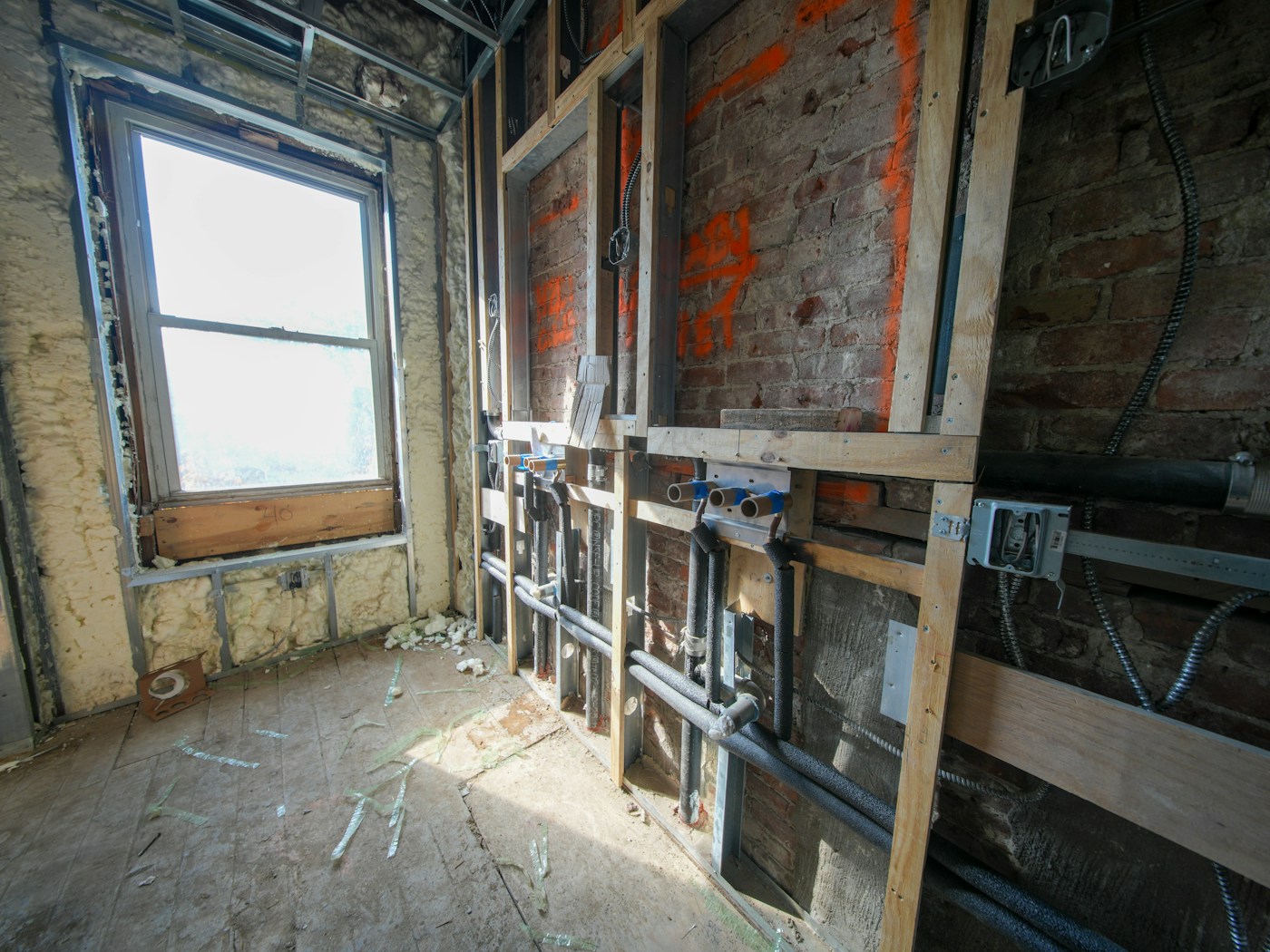
Some things are only visible when we are there.
Older homes may not match the available drawings, especially after years of repairs or alterations. Some conditions remain uncertain until the space is properly inspected.
WHAT REQUIRES AN ON-SITE ASSESSMENT
The structure, services, and accumulated changes need direct attention.
Wall construction, floor levels, ventilation routes, plumbing, electrical capacity, and the quality of previous work cannot be responsibly confirmed from a message alone.
What the visit resolves
Which assumptions hold, which constraints are real, and where further specialist input may be needed.
What happens after contact
Here is how a clear first-contact process could work.
The steps below are illustrative. A real implementation would depend on the company’s actual intake process.
What you hope to change
Describe the friction, not only the imagined solution.
What you want to preserve
Name the details, materials, or character that should remain part of the home.
Photographs and known constraints
Current views, previous work, access concerns, and planning priorities make the first exchange more useful.
Know what happens before you make the call.
Use the preparation guide to shape a clearer first message. In a live implementation, the business would decide how enquiries are received and what happens next.
Prototype interaction — no message is sent and no visit is arranged.